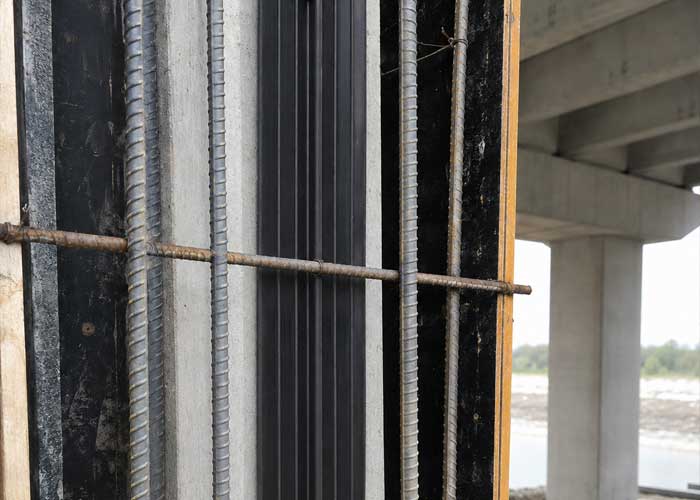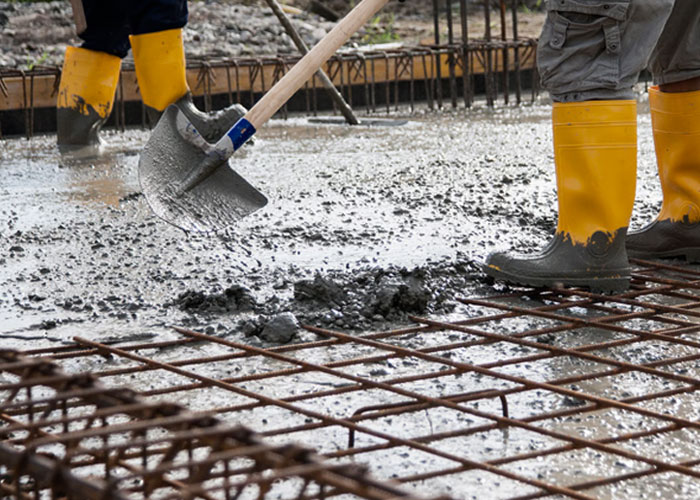
Waterstops are important waterproofing materials used in concrete structures to prevent water leakage through construction joints, expansion joints, and settlement joints. Among various types of waterstops, PVC Waterstop and Rubber Waterstop are two widely used solutions in construction and infrastructure projects.
Although both products serve the same purpose of waterproofing concrete structures, they have differences in material properties, flexibility, durability, and application fields.
1. Different Material Composition
PVC Waterstop
PVC Waterstop is manufactured mainly from Polyvinyl Chloride (PVC) resin, combined with additives such as plasticizers and stabilizers.
PVC materials provide good water resistance, corrosion resistance, and processing performance. PVC Waterstops can be produced in various widths, thicknesses, and profiles according to project requirements.
Rubber Waterstop
Rubber Waterstop is mainly manufactured from natural rubber, neoprene (CR), or other synthetic rubber materials.
Rubber materials offer excellent elasticity and flexibility, allowing the waterstop to accommodate movement caused by temperature changes, settlement, and external forces.
2. Difference in Flexibility and Movement Capacity
Rubber Waterstop provides better elasticity and recovery performance. When concrete structures experience stretching, compression, or movement, rubber waterstops can maintain reliable sealing performance.
PVC Waterstop also has good flexibility, but its elastic recovery capability is generally lower compared with rubber materials. It is more suitable for projects with relatively limited structural movement.
3. Difference in Durability Performance
Rubber Waterstop offers excellent aging resistance, fatigue resistance, and long-term elasticity, making it suitable for projects exposed to continuous stress and environmental changes.
PVC Waterstop provides good water resistance and chemical corrosion resistance, making it widely used in underground structures, hydraulic projects, and general concrete waterproofing applications.
The selection should be based on environmental conditions, service life requirements, and project specifications.
4. Different Applications
Common Applications of PVC Waterstop:
- Basement waterproofing projects
- Reservoirs and hydraulic structures
- Wastewater treatment plants
- Subway projects
- General concrete construction joints
Common Applications of Rubber Waterstop:
- Tunnel projects
- Large-scale hydraulic engineering
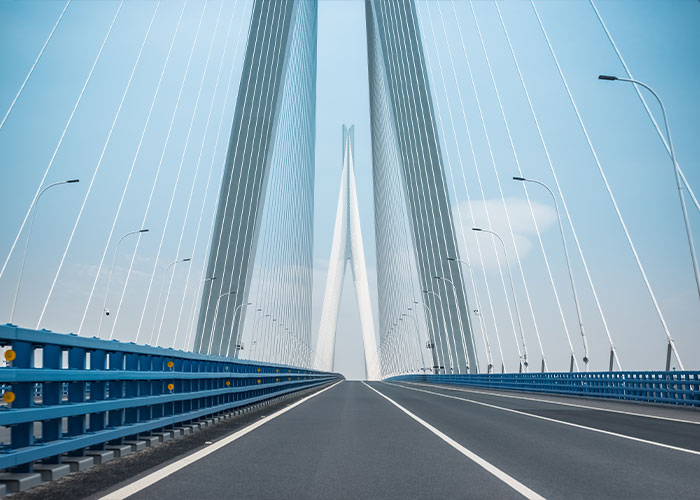
- Bridge and transportation infrastructure
- Expansion and settlement joints
- Concrete structures requiring high waterproof performance
5. How to Choose Between PVC Waterstop and Rubber Waterstop?
The selection of a suitable waterstop should consider:
- Type of concrete structure
- Joint type (construction joint, expansion joint, settlement joint)
- Expected structural movement
- Environmental conditions (water pressure, temperature, chemical exposure)
- Project standards and service life requirements
For structures with significant movement, settlement, or long-term deformation, Rubber Waterstop generally provides better performance.
For projects requiring cost-effective waterproofing with good corrosion resistance, PVC Waterstop is also a reliable solution.
Conclusion
Both PVC Waterstop and Rubber Waterstop are essential waterproofing products for concrete structures. Neither product is universally better; instead, each one is designed for different engineering conditions.
PVC Waterstop features excellent corrosion resistance, cost efficiency, and processing flexibility, while Rubber Waterstop provides superior elasticity, movement capacity, and long-term sealing performance.
Choosing the right waterstop according to project requirements is essential for ensuring long-lasting waterproof protection of concrete structures.
- PVC Waterstop
- Rubber Waterstop
- Concrete Waterproofing
- Construction Joint Waterproofing
- Expansion Joint Waterstop
- Underground Waterproofing Material