Table of Contents
Bridge Expansion Joint selection and procurement should follow a defined project requirement and a controlled acceptance record. The installation position consumes part of the movement available in service. A nominal movement rating does not show whether the installed item can accommodate both extremes of the project envelope.
Bridge Expansion Joint: role and application
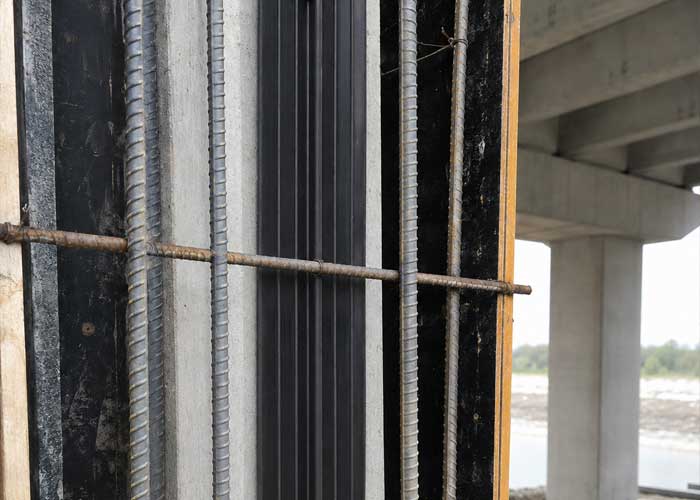
A bridge deck expansion joint accommodates relative deck-end movement while maintaining the specified traffic surface and water-management detail. The whole assembly includes its anchorage, surrounding concrete and transitions at kerbs or barriers.
The bridge expansion joint review should connect the purchased item to a deck-joint layout including kerbs and staged splices. The engineering objective is traffic-surface continuity, controlled movement and water management. Keep the product identity and the application requirement visible throughout the order.
How to choose a bridge expansion joint
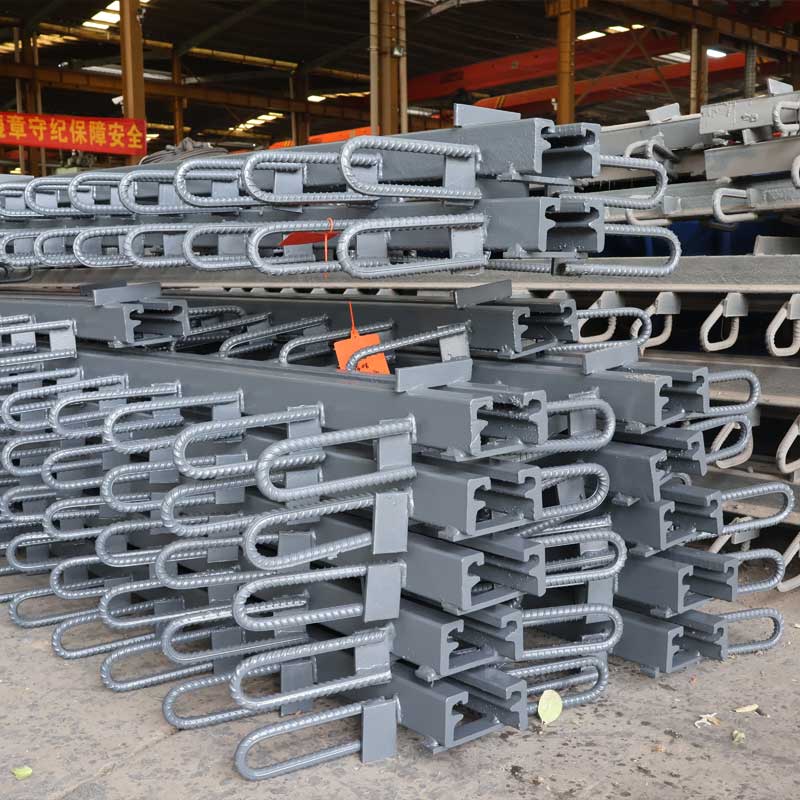
Start with the bridge movement envelope, skew, deck width and traffic conditions. Then review the receiving recess, anchorage, drainage and kerb transitions. Compare the demonstrated movement range of each proposed system against the full demand, including the installation setting. Avoid selecting a joint from gap width alone. Confirm access for cleaning and replacement before the detail becomes fixed in concrete.
Separate total movement demand from the initial setting. Identify the reference temperature, construction stage and movement directions used by the designer. Check the closest and furthest operating positions rather than assessing only the gap visible on installation day.
For bridge expansion joint, the important interface is the deck-joint detail. In this review, focus on the installation gap, level, fixings and seal transitions. Record any departure from the agreed arrangement before the next construction stage makes correction difficult.
Project inputs and interfaces
The bridge expansion joint inquiry should state movement envelope, skew, deck width, traffic demands, installation gap, anchorage zone and drainage transitions. Separate confirmed project requirements from information still awaiting the responsible designer. Leave missing values as open questions instead of copying unrelated catalog ratings.
Use movement envelope and installation setting as the starting point for the bridge expansion joint specification. Then identify the receiving interface, construction stage and inspection access. Assign a responsible person to resolve each missing input before the production release.
Compare the available approaches
| Approach | Useful for | Decision limit |
|---|---|---|
| Nominal movement label | Product screening | Does not define installed reserve |
| Project setting schedule | Correct initial position | Requires measured site conditions |
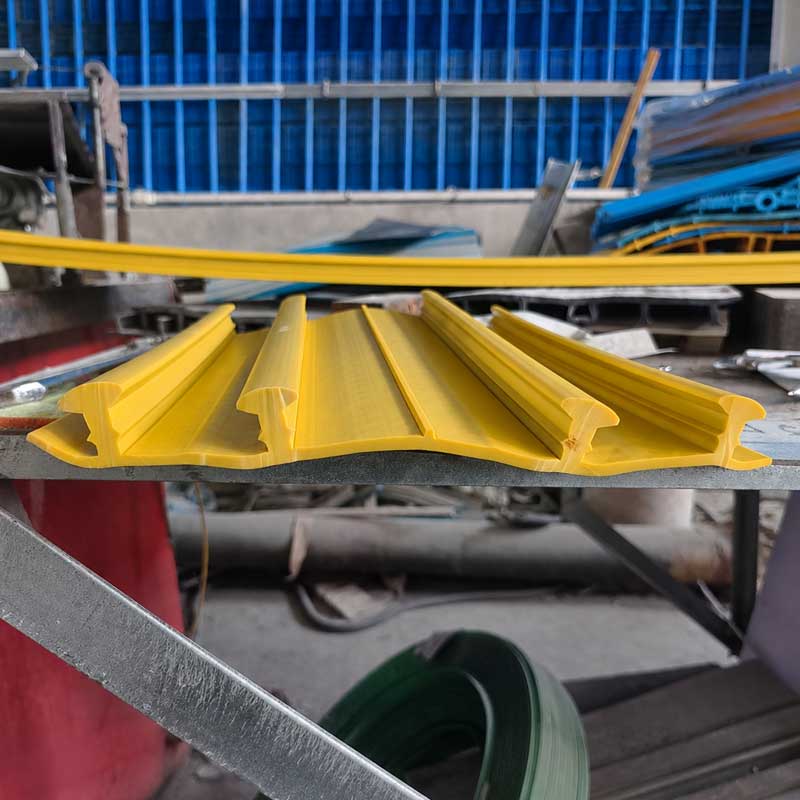
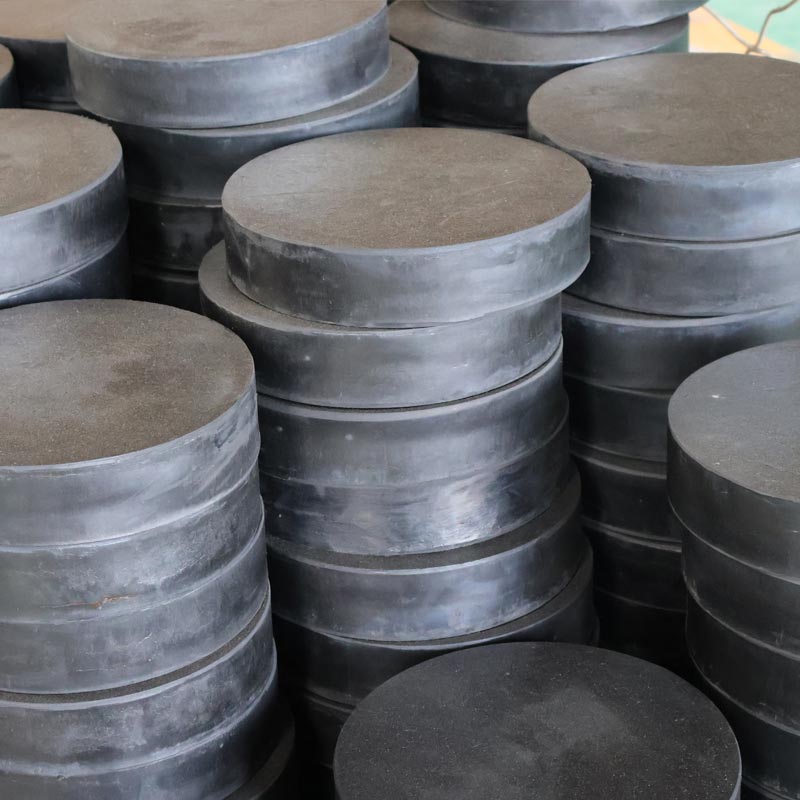
| rubber plate joint | Application-specific alternative | Steel-edged seal systems and rubber plate systems use different anchorage and wearing surfaces. Selection depends on the engineered movement range and maintenance access. |
For bridge expansion joint, compare options against the same deck-joint detail. Steel-edged seal systems and rubber plate systems use different anchorage and wearing surfaces. Selection depends on the engineered movement range and maintenance access.
Inspection evidence and acceptance
Request the approved setting schedule, movement envelope and orientation drawing. Record the structure temperature or other specified setting condition. Air temperature alone may not represent the condition assumed in the design.
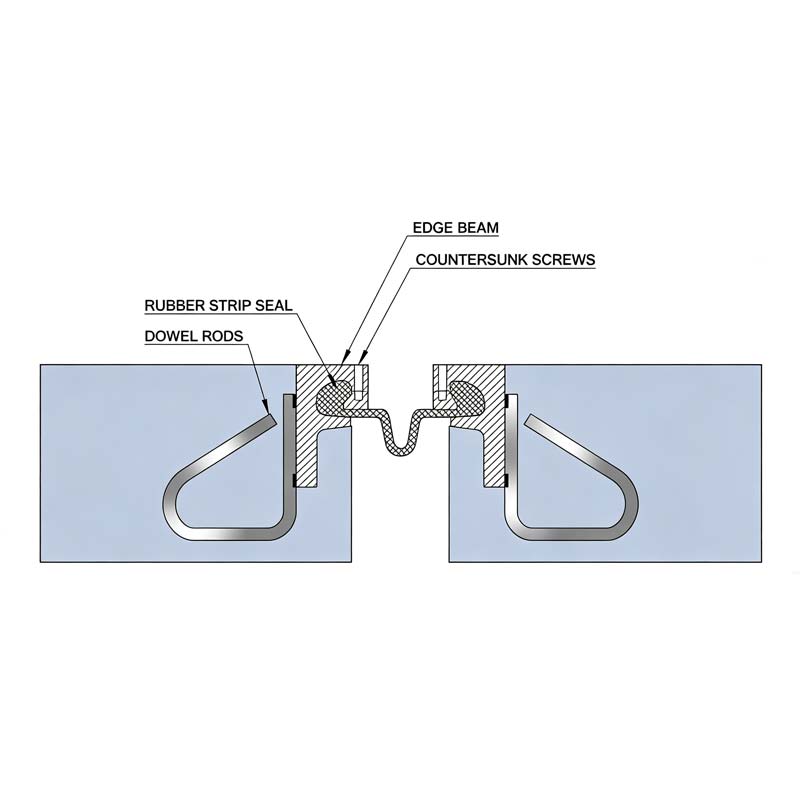
One failure mode to investigate is that a gap set without reference to structure temperature can consume travel needed later in service. For the bridge expansion joint acceptance record, verify the approved gap-setting schedule, survey level and continuity of the seal through the kerb detail. A generic report or an unlocated photograph cannot resolve a missing project-specific observation.
Site coordination and acceptance
Verify the initial position immediately before fixing or enclosure. Where the measured condition differs from the schedule, seek a revised setting instruction. Preserve the baseline measurement so that later inspection can distinguish expected movement from abnormal change.
Before releasing bridge expansion joint work, reconcile the physical item with its identification and approved drawing. Pay particular attention to the installation gap, level, fixings and seal transitions. If an unplanned change affects sealing, load transfer, geometry or movement, obtain the relevant technical disposition before proceeding.
Records for maintenance and handover
Keep the bridge expansion joint record linked to its installed location. Retain the accepted drawing, batch identity, inspection results and any approved deviations. Include enough context to distinguish the original condition from later changes, without presenting a visual inspection as a complete performance test.
For independent background, consult the FHWA bridge expansion-joint construction review. Use it for background terminology and context alongside the approved project documents.
Prepare your project inquiry
To discuss bridge expansion joint requirements with Hebei Kunshuo Rubber & Plastic, send your drawing, quantities, movement envelope and installation setting, delivery destination and required inspection records. Start with the Steel Bridge Expansion Joints information and use the inquiry form below to identify the exact application.
Ask the team to confirm the proposed bridge expansion joint configuration, available material options and any exceptions in writing. Where a special grade or qualified system is required, confirm availability and supporting evidence before treating a general product page as an offer. You can also contact Kunshuo with the current drawing revision.
Frequently asked questions
What information is needed to specify bridge expansion joint?
Provide movement envelope, skew, deck width, traffic demands, installation gap, anchorage zone and drainage transitions. Identify the intended application and the drawing revision so that the proposed item can be checked against the actual interface.
Is the catalog movement range the installation gap?
No. The installation setting depends on the project movement envelope and reference conditions. Use the approved setting schedule for the specific location.
What should be checked before accepting bridge expansion joint?
For this application, verify the approved gap-setting schedule, survey level and continuity of the seal through the kerb detail. Record the location and resolve missing evidence before the item is concealed or put into service.
Can bridge expansion joint be replaced by another product?
Steel-edged seal systems and rubber plate systems use different anchorage and wearing surfaces. Selection depends on the engineered movement range and maintenance access.
How can I request a bridge expansion joint quotation?
Send the drawing, quantity, project conditions, delivery destination and required inspection scope. Ask for a written response identifying the proposed configuration and any technical exceptions.