Table of Contents
Bridge Inflatable Core Mold selection and procurement should follow a defined project requirement and a controlled acceptance record. A component that fits during construction may be difficult to inspect or replace after the bridge is complete. Access decisions made now can affect future closures and repair methods.
Bridge Inflatable Core Mold: role and application
An inflatable rubber mandrel forms an internal void during concrete casting and is removed after controlled deflation. Shape control depends on pressure, restraint and the surrounding concrete-placement process, not on the inflated shape in free air alone.
The bridge inflatable core mold review should connect the purchased item to a void-forming layout inside the reinforcement cage. The engineering objective is void geometry during placement and controlled removal after release. Keep the product identity and the application requirement visible throughout the order.
How to remove inflatable core mold
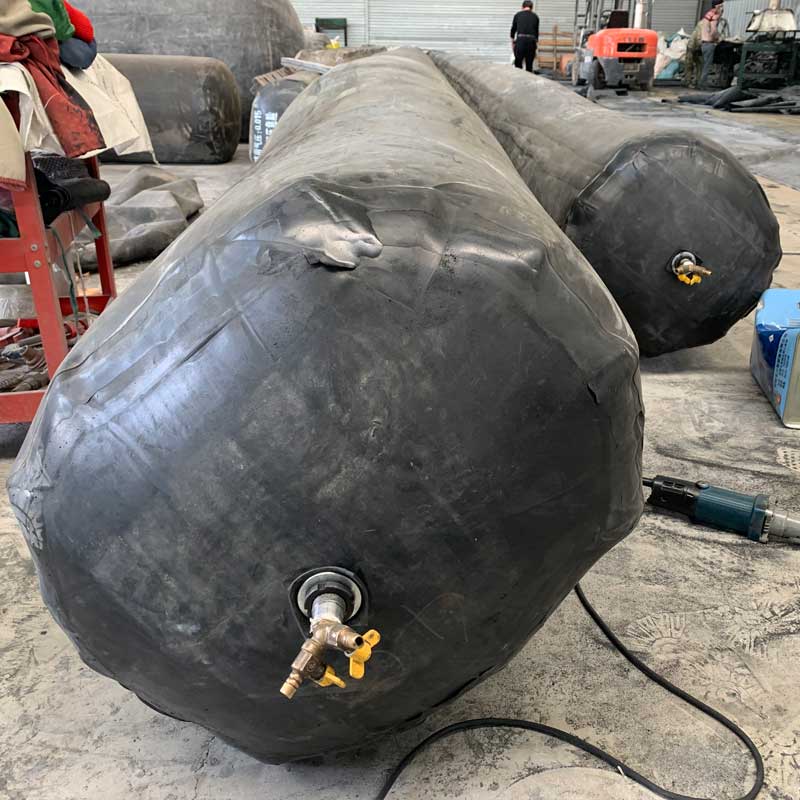
Confirm the required concrete condition and obtain release for removal under the approved method. Deflate the mandrel in the specified manner and verify that the extraction path is clear. Do not use a universal elapsed time after pouring because concrete development and geometry vary. If the mold resists withdrawal, investigate rather than applying uncontrolled pulling force. Inspect, clean and dry the recovered mold, and record damage before approving it for another cycle.
Review how the item will be reached, released and removed. Identify whether adjacent components must be supported or dismantled. Keep any temporary works and load-transfer design under the responsibility of the qualified project team.
For bridge inflatable core mold, the important interface is the mandrel casting method. In this review, focus on the valve, restraints, inflated shape and extraction route. Record any departure from the agreed arrangement before the next construction stage makes correction difficult.
Project inputs and interfaces
The bridge inflatable core mold inquiry should state void geometry, reinforcement clearance, concrete placement sequence, restraint layout, pressure procedure and extraction route. Separate confirmed project requirements from information still awaiting the responsible designer. Leave missing values as open questions instead of copying unrelated catalog ratings.
Use void geometry and casting sequence as the starting point for the bridge inflatable core mold specification. Then identify the receiving interface, construction stage and inspection access. Assign a responsible person to resolve each missing input before the production release.
Compare the available approaches
| Approach | Useful for | Decision limit |
|---|---|---|
| Initial-fit review | Confirms construction access | May ignore later constraints |
| Whole-life access review | Supports inspection and renewal | Needs a future-work concept |
| rigid reusable void former | Application-specific alternative | A rigid former controls geometry differently and may require a different withdrawal route. An inflatable mandrel offers collapsibility but requires a compatible pressure, restraint and removal plan. |
For bridge inflatable core mold, compare options against the same mandrel casting method. A rigid former controls geometry differently and may require a different withdrawal route. An inflatable mandrel offers collapsibility but requires a compatible pressure, restraint and removal plan.
Inspection evidence and acceptance
Request access envelopes, removable-part details and as-built identification. Record constraints such as barriers, services and narrow seats. Do not assume that a product described as replaceable can be removed without a project-specific method.
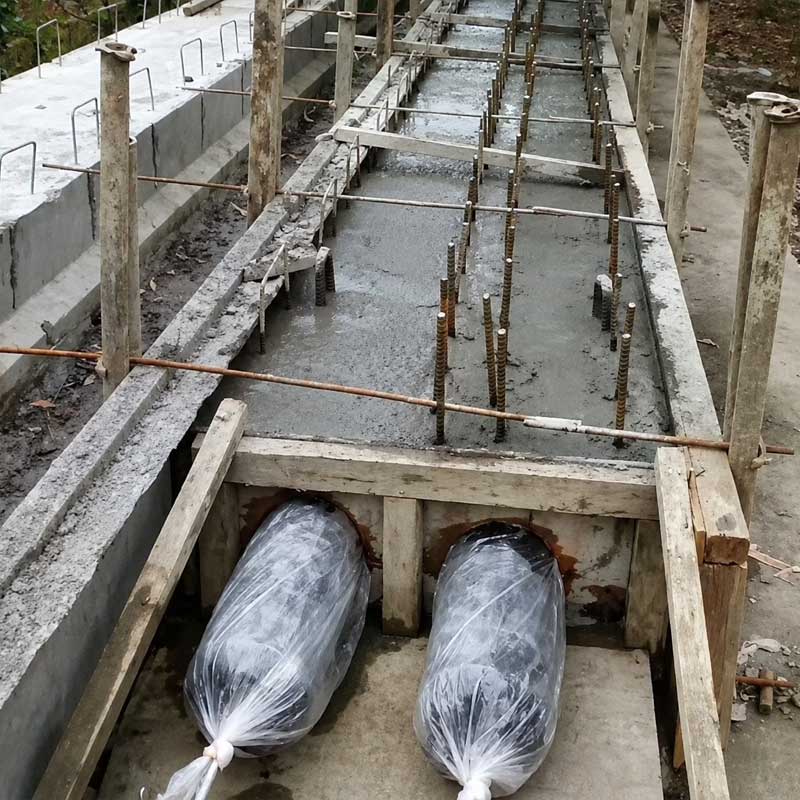
One failure mode to investigate is that buoyancy or contact with reinforcement can shift or damage the mandrel, reducing the intended concrete wall thickness. For the bridge inflatable core mold acceptance record, perform a trial fit, inspect the valve and restraints, and record pressure and position at defined stages of the pour. A generic report or an unlocated photograph cannot resolve a missing project-specific observation.
Site coordination and acceptance
Walk through a conceptual replacement sequence during design review. Resolve blocked tool paths and inaccessible fixings. Preserve the accepted arrangement in the handover file so that future work starts from the installed geometry rather than a generic catalog drawing.
Before releasing bridge inflatable core mold work, reconcile the physical item with its identification and approved drawing. Pay particular attention to the valve, restraints, inflated shape and extraction route. If an unplanned change affects sealing, load transfer, geometry or movement, obtain the relevant technical disposition before proceeding.
Records for maintenance and handover
Keep the bridge inflatable core mold record linked to its installed location. Retain the accepted drawing, batch identity, inspection results and any approved deviations. Include enough context to distinguish the original condition from later changes, without presenting a visual inspection as a complete performance test.
For independent background, consult the formwork terminology overview. Use it for background terminology and context alongside the approved project documents.
Prepare your project inquiry
To discuss bridge inflatable core mold requirements with Hebei Kunshuo Rubber & Plastic, send your drawing, quantities, void geometry and casting sequence, delivery destination and required inspection records. Start with the Inflatable Rubber Mandrel information and use the inquiry form below to identify the exact application.
Ask the team to confirm the proposed bridge inflatable core mold configuration, available material options and any exceptions in writing. Where a special grade or qualified system is required, confirm availability and supporting evidence before treating a general product page as an offer. You can also contact Kunshuo with the current drawing revision.
Frequently asked questions
What information is needed to specify bridge inflatable core mold?
Provide void geometry, reinforcement clearance, concrete placement sequence, restraint layout, pressure procedure and extraction route. Identify the intended application and the drawing revision so that the proposed item can be checked against the actual interface.
Is a replacement method part of product selection?
It should be considered where replacement is foreseeable. Structural support, temporary works and closure arrangements still require a project-specific engineered method.
What should be checked before accepting bridge inflatable core mold?
For this application, perform a trial fit, inspect the valve and restraints, and record pressure and position at defined stages of the pour. Record the location and resolve missing evidence before the item is concealed or put into service.
Can bridge inflatable core mold be replaced by another product?
A rigid former controls geometry differently and may require a different withdrawal route. An inflatable mandrel offers collapsibility but requires a compatible pressure, restraint and removal plan.
How can I request a bridge inflatable core mold quotation?
Send the drawing, quantity, project conditions, delivery destination and required inspection scope. Ask for a written response identifying the proposed configuration and any technical exceptions.