Table of Contents
Elastomeric Bearing selection and procurement should follow a defined project requirement and a controlled acceptance record. A supplier cannot resolve a project design from a product name alone. The review should distinguish the engineering demands set by the structure from the product details proposed to meet them.
Elastomeric Bearing: role and application
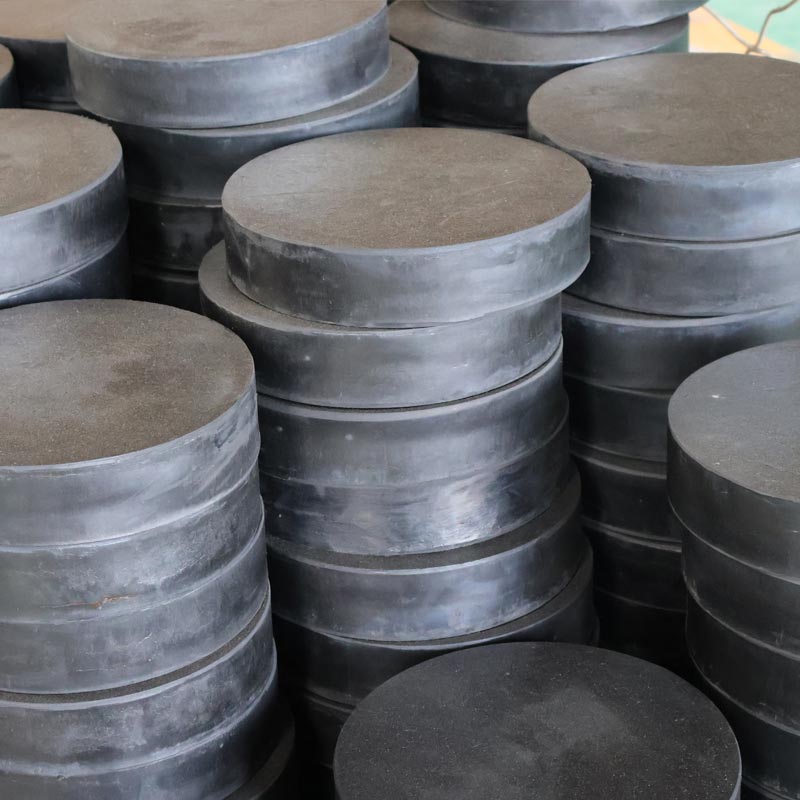
An elastomeric bridge bearing supports compression and accommodates suitable rotation and horizontal movement through deformation. Laminated units include reinforcing layers that influence compression behavior and stability.
The elastomeric bearing review should connect the purchased item to a bearing schedule linked to support positions. The engineering objective is the intended load path, rotation and movement function. Keep the product identity and the application requirement visible throughout the order.
Elastomeric bearing design guide
Begin with the structural reaction and movement envelope, then examine the proposed plan dimensions, layer arrangement and effective rubber thickness. Hardness alone does not determine the allowable compression, rotation or shear behavior of a bearing. Check the applicable design basis, stability, contact conditions and restraints through the responsible engineer. This review organizes inputs and supplier evidence. It does not provide universal bearing dimensions or a substitute for the project design calculation.
List the demand envelope, interface geometry and environmental conditions. Identify the responsible source for each input. Keep preliminary values clearly marked and avoid treating a budget inquiry as an approved design instruction.
For elastomeric bearing, the important interface is the bearing arrangement. In this review, focus on the unit mark, orientation, contact edges and initial offset. Record any departure from the agreed arrangement before the next construction stage makes correction difficult.
Project inputs and interfaces
The product inquiry should state plan dimensions, total and effective rubber thickness, load range, rotation, shear displacement and material specification. Separate confirmed project requirements from information still awaiting the responsible designer. Leave missing values as open questions instead of copying unrelated catalog ratings.
Use load and movement envelope as the starting point for the elastomeric bearing specification. Then identify the receiving interface, construction stage and inspection access. Assign a responsible person to resolve each missing input before the production release.
Compare the available approaches
| Approach | Useful for | Decision limit |
|---|---|---|
| Product-name request | Initial identification | Leaves engineering demands unknown |
| Defined design-input schedule | Meaningful technical review | Requires responsible design information |
| sliding or pot-bearing assembly | Application-specific alternative | Sliding movement occurs at an engineered interface, whereas a conventional elastomeric pad deforms in shear. Equal external dimensions do not imply equal movement capacity. |
For elastomeric bearing, compare options against the same bearing arrangement. Sliding movement occurs at an engineered interface, whereas a conventional elastomeric pad deforms in shear. Equal external dimensions do not imply equal movement capacity.
Inspection evidence and acceptance
Request a response that maps the proposed configuration to the stated requirements and lists missing information. Product evidence should identify the applicable configuration and limitations. A capacity statement without its assumptions is incomplete for a final review.
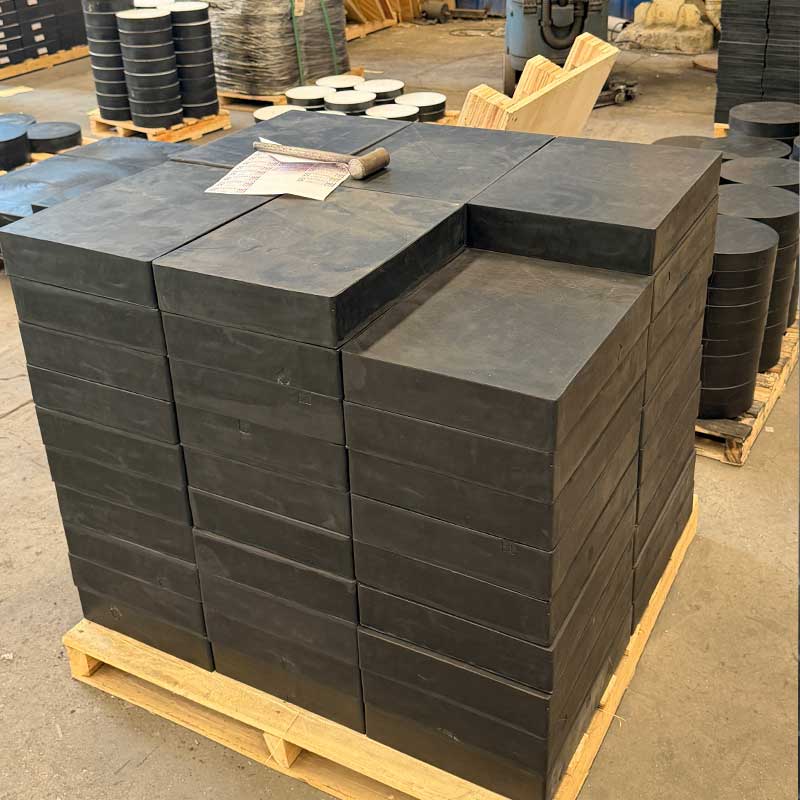
One failure mode to investigate is that bearing walk, uneven contact or an incorrect layer arrangement can defeat a selection made only by overall dimensions. For the elastomeric bearing acceptance record, check the layer drawing, support flatness, orientation and baseline offset before the bridge enters service. A generic report or an unlocated photograph cannot resolve a missing project-specific observation.
Site coordination and acceptance
Close outstanding design questions with the responsible engineer before production. Record the accepted basis and review changes through a controlled process. Ensure the installation and inspection plan uses the same assumptions as the selected product.
Before releasing elastomeric bearing work, reconcile the physical item with its identification and approved drawing. Pay particular attention to the unit mark, orientation, contact edges and initial offset. If an unplanned change affects sealing, load transfer, geometry or movement, obtain the relevant technical disposition before proceeding.
Records for maintenance and handover
Keep the elastomeric bearing record linked to its installed location. Retain the accepted drawing, batch identity, inspection results and any approved deviations. Include enough context to distinguish the original condition from later changes, without presenting a visual inspection as a complete performance test.
For independent background, consult the FHWA elastomeric bearing inspection protocol. This is an archived inspection reference and should be read with the project requirements.
Prepare your project inquiry
To discuss elastomeric bearing requirements with Hebei Kunshuo Rubber & Plastic, send your drawing, quantities, load and movement envelope, delivery destination and required inspection records. Start with the Laminated Elastomeric Bearings information and use the inquiry form below to identify the exact application.
Ask the team to confirm the proposed elastomeric bearing configuration, available material options and any exceptions in writing. Where a special grade or qualified system is required, confirm availability and supporting evidence before treating a general product page as an offer. You can also contact Kunshuo with the current drawing revision.
Frequently asked questions
What information is needed to specify elastomeric bearing?
Provide plan dimensions, total and effective rubber thickness, load range, rotation, shear displacement and material specification. Identify the intended application and the drawing revision so that the proposed item can be checked against the actual interface.
Who supplies the final project design demands?
The responsible project designer should establish them. The supplier can provide product information and proposals, but missing structural demands should not be replaced by generic catalog assumptions.
What should be checked before accepting elastomeric bearing?
For this application, check the layer drawing, support flatness, orientation and baseline offset before the bridge enters service. Record the location and resolve missing evidence before the item is concealed or put into service.
Can elastomeric bearing be replaced by another product?
Sliding movement occurs at an engineered interface, whereas a conventional elastomeric pad deforms in shear. Equal external dimensions do not imply equal movement capacity.
How can I request a elastomeric bearing quotation?
Send the drawing, quantity, project conditions, delivery destination and required inspection scope. Ask for a written response identifying the proposed configuration and any technical exceptions.