Table of Contents
PVC Waterstop selection and procurement should follow a defined project requirement and a controlled acceptance record. The most important feature may become inaccessible after concrete placement, loading or assembly. An inspection plan should therefore place hold points before the opportunity to inspect disappears.
PVC Waterstop: role and application
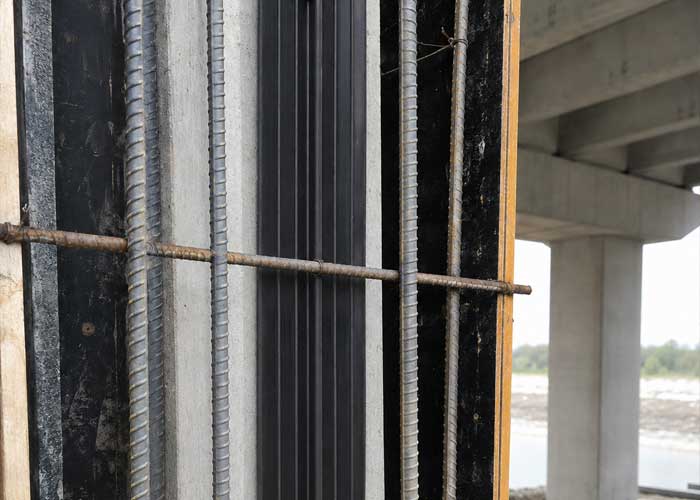
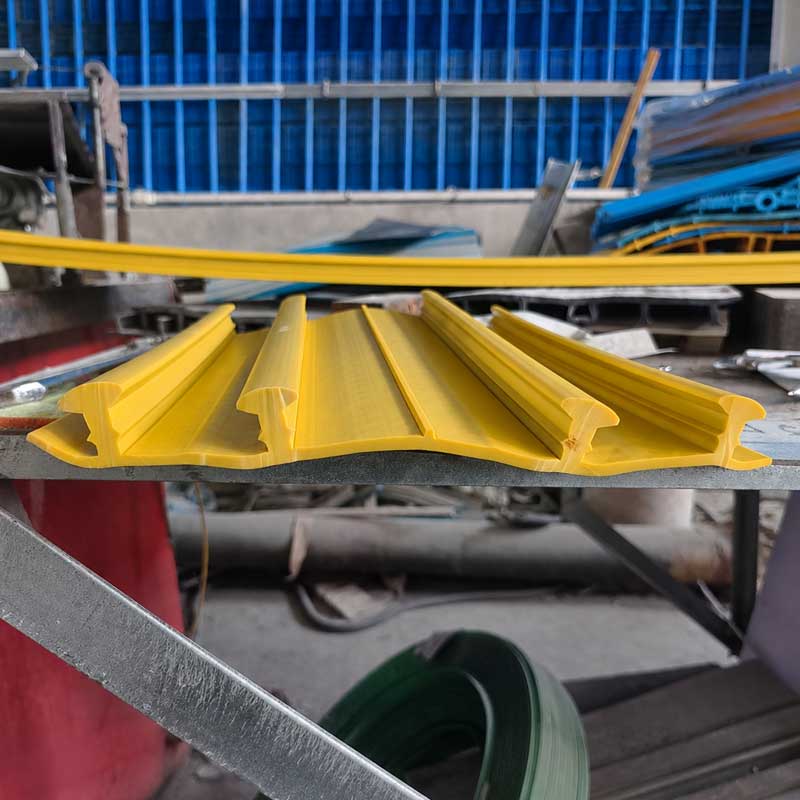
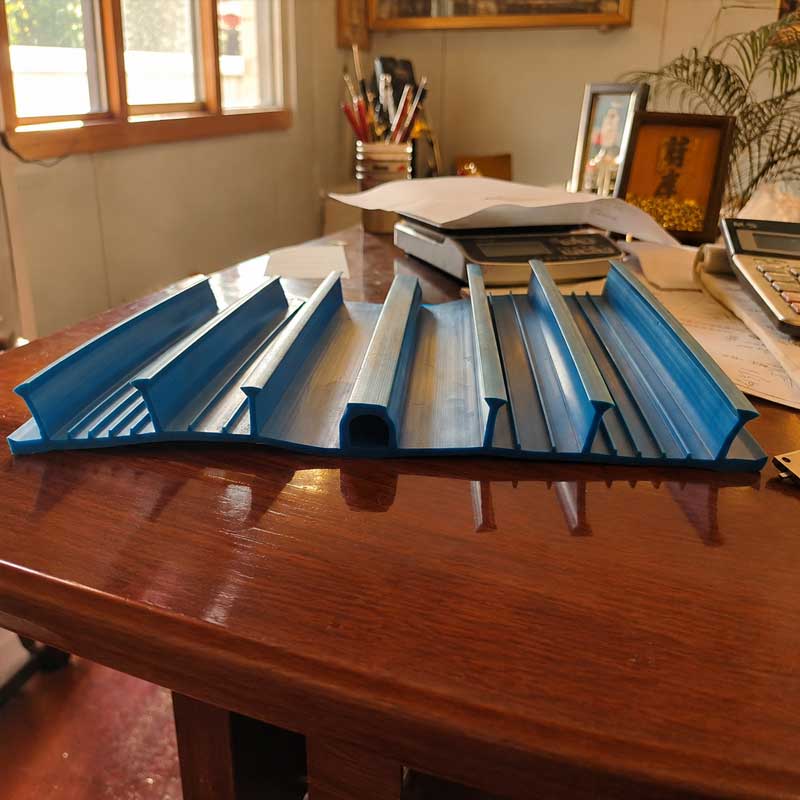
A ribbed thermoplastic profile forms a continuous barrier across an embedded concrete joint. The ribs and the concrete surrounding them work together, while the center profile must suit the specified joint movement.
The pvc waterstop review should connect the purchased item to a joint layout with numbered intersections. The engineering objective is unbroken sealing continuity and adequate enclosure in concrete. Keep the product identity and the application requirement visible throughout the order.
PVC waterstop installation guide
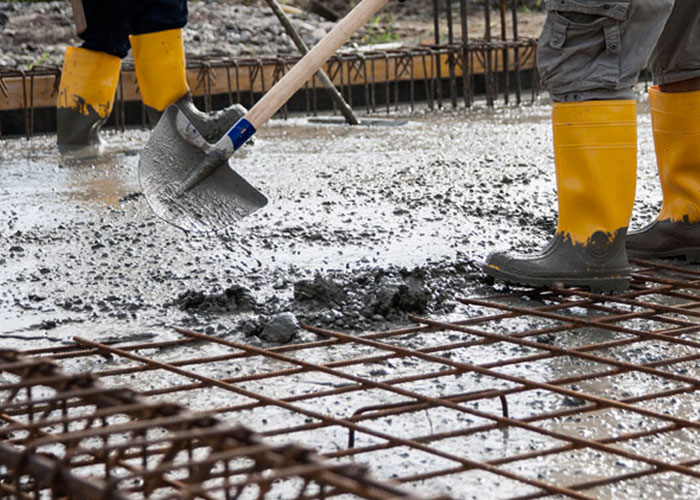
Mark the joint centerline and support the profile using the approved fixing arrangement. Keep its working section intact and prevent the exposed half from folding during concrete placement. Check corners and splices before the first pour, then inspect the exposed profile again before the second pour. Consolidation around the ribs requires a placement method that reaches the area without striking or displacing the waterstop. Record position and continuity before enclosure.
Map the installation sequence and mark the stages that conceal the working interface. State who may release each stage and what evidence they need. Avoid relying on a final photograph taken after the critical geometry is already hidden.
For pvc waterstop, the important interface is the waterproofing detail. In this review, focus on the profile center, each connection and the exposed wing before the next pour. Record any departure from the agreed arrangement before the next construction stage makes correction difficult.
Project inputs and interfaces
The pvc waterstop inquiry should state profile drawing, joint classification, water head, wall thickness, concrete cover and planned splice locations. Separate confirmed project requirements from information still awaiting the responsible designer. Leave missing values as open questions instead of copying unrelated catalog ratings.
Use joint classification and water exposure as the starting point for the pvc waterstop specification. Then identify the receiving interface, construction stage and inspection access. Assign a responsible person to resolve each missing input before the production release.
Compare the available approaches
| Approach | Useful for | Decision limit |
|---|---|---|
| End-of-work visual check | Checks accessible finish | Cannot prove concealed details |
| Pre-concealment hold points | Checks critical interfaces | Requires coordinated timing |
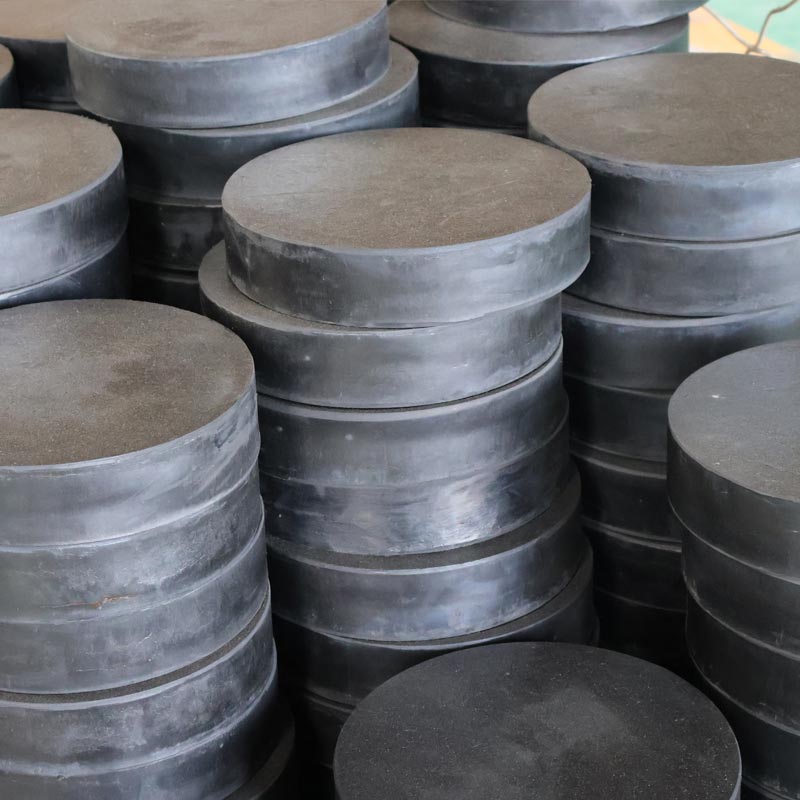
| center-bulb rubber waterstop | Application-specific alternative | PVC joining uses a qualified thermal process. Rubber profiles require their own approved joining method, so a PVC welding procedure cannot simply be transferred. |
For pvc waterstop, compare options against the same waterproofing detail. PVC joining uses a qualified thermal process. Rubber profiles require their own approved joining method, so a PVC welding procedure cannot simply be transferred.
Inspection evidence and acceptance
Use a hold-point record with location, drawing revision, measurements, photographs and disposition of outstanding items. Include the installation conditions that influence the setting. A signature without the supporting observations gives later reviewers little usable information.
One failure mode to investigate is that a folded rib, incomplete weld or void beside the profile can leave a leakage path even when the bulk material is sound. For the pvc waterstop acceptance record, check profile continuity across both pours, support the exposed half and qualify a trial heat weld using the actual profile. A generic report or an unlocated photograph cannot resolve a missing project-specific observation.
Site coordination and acceptance
Schedule inspections with the construction team so that they occur before the pour or load transfer. If a hold point is missed, stop and agree how the condition will be demonstrated. Do not recreate an inspection record as if it had occurred.
Before releasing pvc waterstop work, reconcile the physical item with its identification and approved drawing. Pay particular attention to the profile center, each connection and the exposed wing before the next pour. If an unplanned change affects sealing, load transfer, geometry or movement, obtain the relevant technical disposition before proceeding.
Records for maintenance and handover
Keep the pvc waterstop record linked to its installed location. Retain the accepted drawing, batch identity, inspection results and any approved deviations. Include enough context to distinguish the original condition from later changes, without presenting a visual inspection as a complete performance test.
For independent background, consult the waterstop terminology overview. Use it for background terminology and context alongside the approved project documents.
Prepare your project inquiry
To discuss pvc waterstop requirements with Hebei Kunshuo Rubber & Plastic, send your drawing, quantities, joint classification and water exposure, delivery destination and required inspection records. Start with the PVC Waterstop information and use the inquiry form below to identify the exact application.
Ask the team to confirm the proposed pvc waterstop configuration, available material options and any exceptions in writing. Where a special grade or qualified system is required, confirm availability and supporting evidence before treating a general product page as an offer. You can also contact Kunshuo with the current drawing revision.
Frequently asked questions
What information is needed to specify pvc waterstop?
Provide profile drawing, joint classification, water head, wall thickness, concrete cover and planned splice locations. Identify the intended application and the drawing revision so that the proposed item can be checked against the actual interface.
Can photographs alone release concealed work?
Only if the agreed inspection plan allows them and they show the required features. Measurements, material identity or witnessed checks may still be necessary.
What should be checked before accepting pvc waterstop?
For this application, check profile continuity across both pours, support the exposed half and qualify a trial heat weld using the actual profile. Record the location and resolve missing evidence before the item is concealed or put into service.
Can pvc waterstop be replaced by another product?
PVC joining uses a qualified thermal process. Rubber profiles require their own approved joining method, so a PVC welding procedure cannot simply be transferred.
How can I request a pvc waterstop quotation?
Send the drawing, quantity, project conditions, delivery destination and required inspection scope. Ask for a written response identifying the proposed configuration and any technical exceptions.